
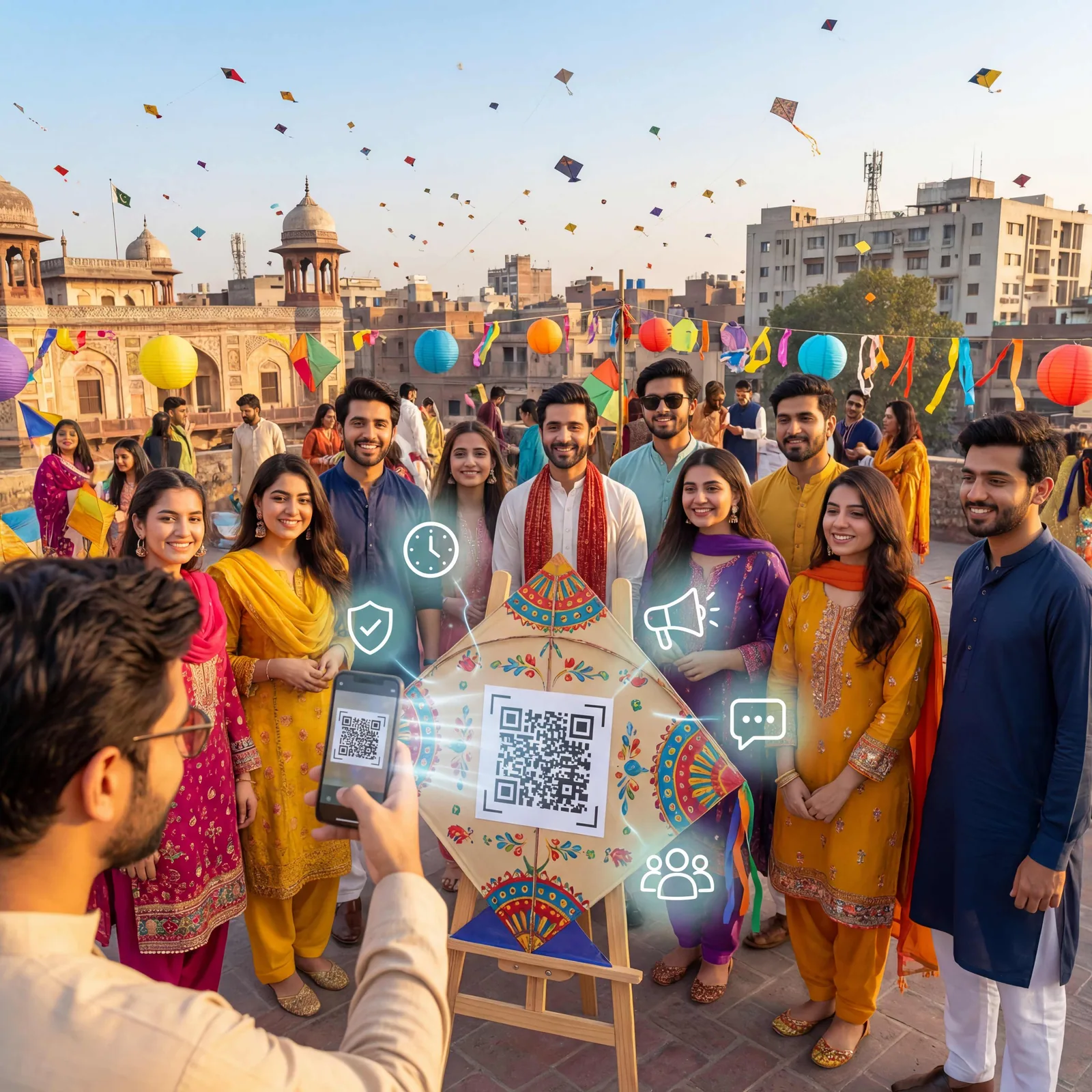
A Historic Return: Basant After a Long Silence
The Basant Festival, traditionally celebrated as the welcoming of spring with colorful kites soaring from rooftops and fields, is deeply embedded in Punjabi culture. Historically held in late January or early February as part of Basant Panchami, kite flying here symbolized joy, renewal, and communal festivity.
However, Basant in Punjab — especially in Lahore — was banned in the mid-2000s due to a rising number of serious injuries, accidents, and fatalities linked to dangerous kite strings, celebratory gunfire, and unsafe festival practices.
Fast forward to late 2025, the Punjab government issued the Punjab Kite Flying Ordinance 2025, officially ending the decades-long restriction and setting the stage for what may be the most celebrated cultural revival of the decade.
Basant 2026: What's Happening and When
The 2026 Basant Festival is officially scheduled to be held in Lahore from February 6 to 8, 2026, with strict safety, registration, and administration rules — creating a controlled cultural event that blends tradition with modern safeguards.
This revival is not merely celebratory — it is systemic, regulated, data-driven, and future-ready.
Why QR Codes are Central to Basant 2.0
Traditionally, Basant was a majestic yet chaotic festival — rooftops covered in people flying kites with little concern for safety. The result? Dangerous practices became commonplace, leading authorities to ban kite flying province-wide.
In Basant's return, QR Codes emerge as the MVP — Minimum Viable Protection.
1. Registration & Traceability
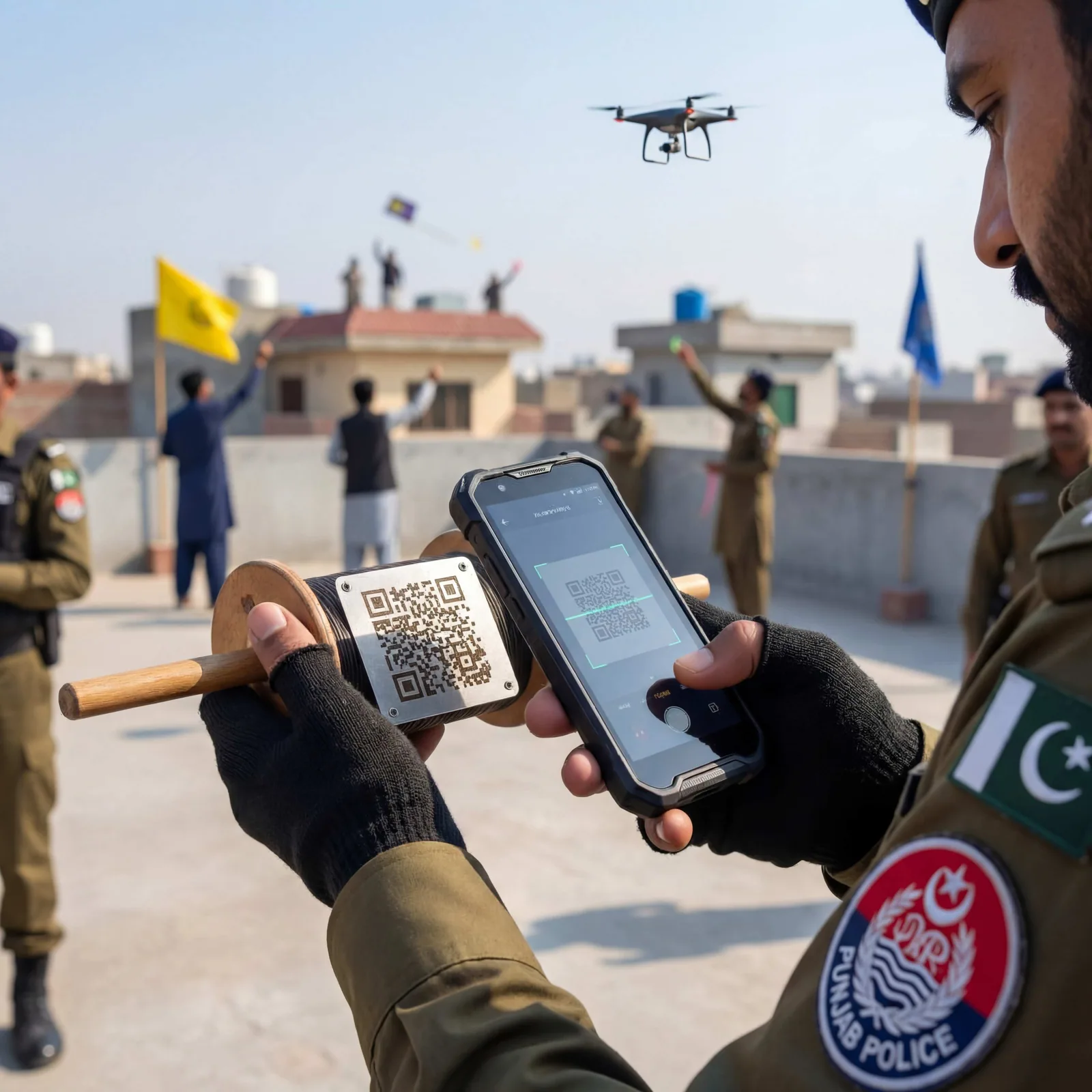
Every kite and kite string in Lahore's 2026 Basant will be issued a unique QR code tied to central government databases.
No QR Code = Not Permitted
Unregulated, unsafe equipment can be instantly identified and confiscated.
2. Security and Government Oversight
Authorities have divided Lahore into Green, Yellow, and Red zones based on safety risk assessments. QR Codes paired with drone surveillance, police control centers, and real-time monitoring systems enable law enforcement to:
Green Zone
Low risk areas
Yellow Zone
Moderate risk areas
Red Zone
High risk areas
This is festival management at national-security level.
3. Safety of Citizens
Gone are the days of dangerous metal or glass string (manjha) slicing through air and limbs. With QR-verified materials:
This system not only protects kite flyers — it protects motorcyclists, pedestrians, children, and neighbors.
4. Evidence-Backed Enforcement
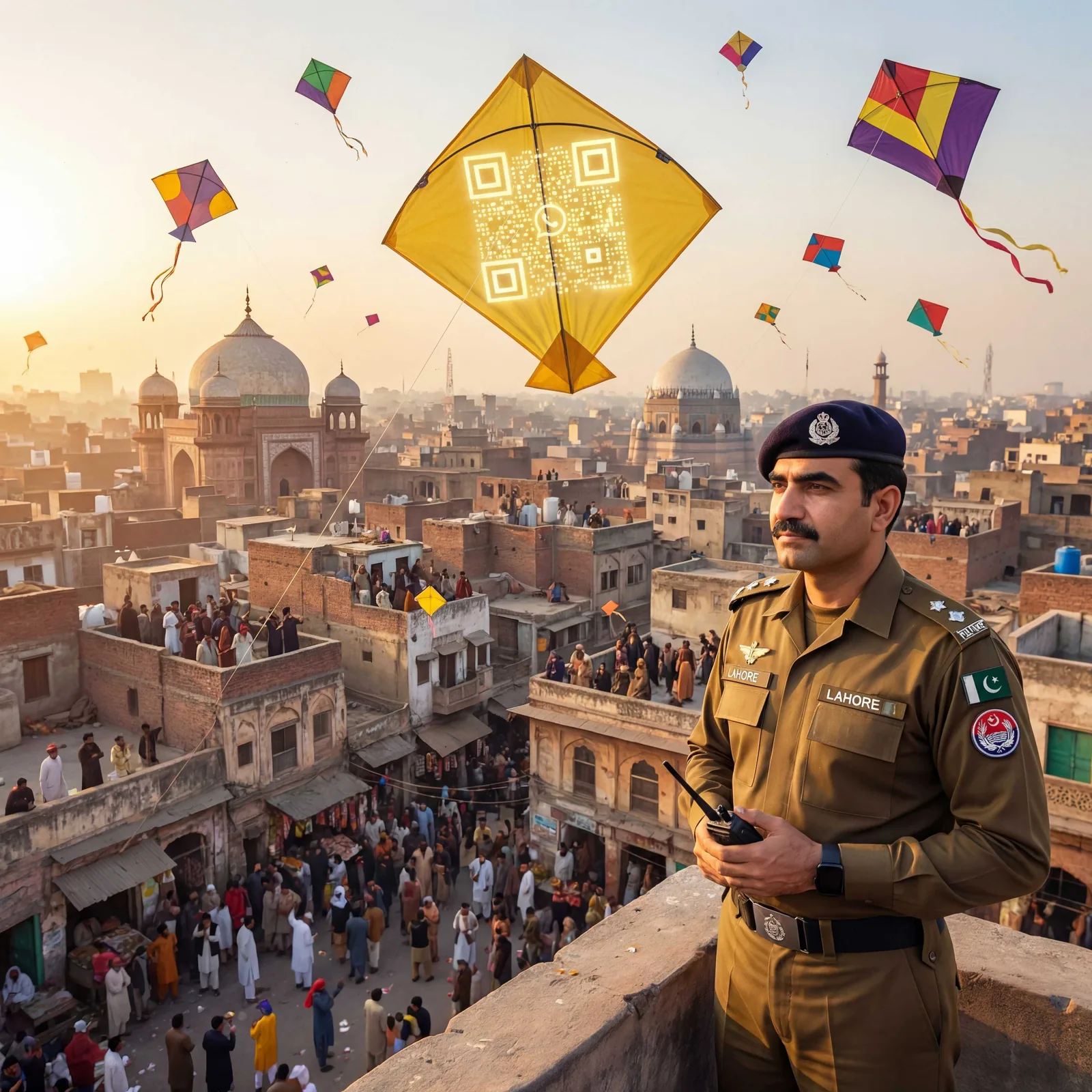
Before finalizing the Basant 2026 plan, Lahore police submitted a detailed security strategy to the Lahore High Court — including strict QR enforcement — based on decades of accident and security data.
This move shows governmental commitment to marrying cultural revival with responsible governance.
Reimagining Basant: From Chaos to Controlled Celebration
Here's a snapshot of how Basant 2026 differs from earlier decades of kite flying:
| Feature | Old Basant | Basant 2026 |
|---|---|---|
| Kite Registration | None | Mandatory with QR |
| Dangerous Strings | Widespread | Completely Banned |
| Enforcement | Minimal | Police + Drones + Control Rooms |
| Safety Gear | Optional | Required (helmets, antennas) |
| Sale Oversight | Unregulated | Registered Vendors Only |
| Age Controls | None | Under-18 Prohibited |
Thanks to the Punjab Kite Flying Ordinance 2025, Basant 2026 is not just tradition — it's a transformative technology-enabled festival.
Economic & Cultural Recharge
The return of Basant is more than a cultural milestone — it's a boost to Lahore's economy and tourism:
Tourism & Hospitality
- • Visiting diaspora communities
- • Domestic travelers
- • International guests
Local Commerce
- • Kite makers & textile suppliers
- • Food vendors
- • Entertainment businesses
Cultural Identity
Basant was once synonymous with Lahore's spring spirit — now a template for cultural revival across Pakistan.
"If successful in Lahore, other cities can also create QR-enabled festivals that honor heritage while ensuring safety and sustainability."
This is not hope — it's what practitioners and administrators are already planning for.
Why QR Codes are Perfect for Festivals
Let's break down the LESSONS from Basant that apply to all large cultural events:
Instant Authentication
QR codes let authorities instantly verify goods and services — no manual checks, no fraud, no guesswork.
Organizational Control
Organizers can manage suppliers, participants, and competitive vendors in a unified system.
Real-Time Monitoring
A QR scan can trigger instant updates in safety alerts, enforcement action, and festival dashboards.
Great for Data Analytics
QR codes transmit usage data — future festivals can be optimized using real user behavior patterns.
Smart Event Planning
City planners can manage crowds, transportation, and zone restrictions seamlessly using QR technology.
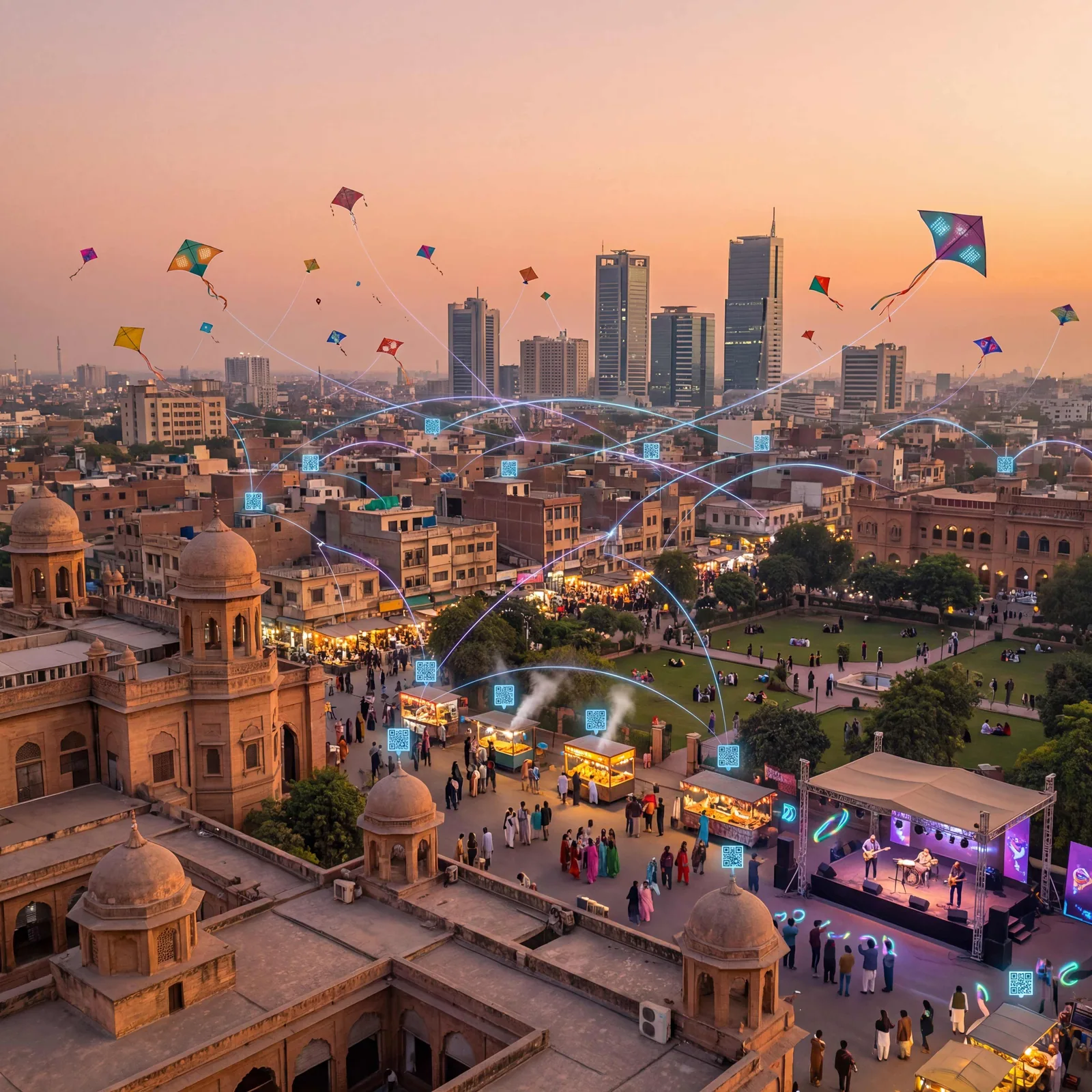
TapX is Proud to Be in the Game
At TapX.pk, we have always championed the fusion of technology and cultural engagement. The Basant revival with QR codes is exactly the kind of smart innovation we celebrate — and support.
If you are:
… and interested in deploying QR-enabled engagement for entertainment, security, or cultural revival — TapX Team is ready to partner with you to build impactful, scalable solutions.
Can Other Cities Do It Too?
Absolutely.
QR-enabled festivals can help cities:
From Lahore to Lahore 2.0 — and beyond to Karachi, Multan, Islamabad, and other hubs — this technological model heralds a new era of celebration with responsibility.
Final Thoughts: A New Basant Era
Basant 2026 isn't just a festival — it's a case study:
"How technology can enable tradition while safeguarding people."
From the rooftop gatherings to the fluttering yellow kites against Lahore's winter sky, this Basant will echo through time as:
- A cultural celebration
- A technological success
- A public safety milestone
- A model for smart festivals worldwide
Lahore's skies are not only being filled with kites — they're being filled with hope, innovation, and community pride.
Let the QR codes fly high!